I want to be very clear from the start, this is not one of those cold, spec-driven smartphone articles. This is a personal, experience-based story about how the Xiaomi 17 Ultra Leica Edition slowly changed the way I think about smartphone photography.
When I first heard about the Leica-branded version of the Xiaomi 17 Ultra, I honestly felt conflicted. Part of me thought, “Okay, here we go again, another premium label slapped on a phone for marketing.” The red Leica logo, the special modes, the price difference it all felt a bit unnecessary at first.
But after spending real time with this device, shooting daily life, portraits, streets, and random moments, my mindset completely flipped.
This phone didn’t just take photos. It made me want to take photos.
Let me walk you through my experience.
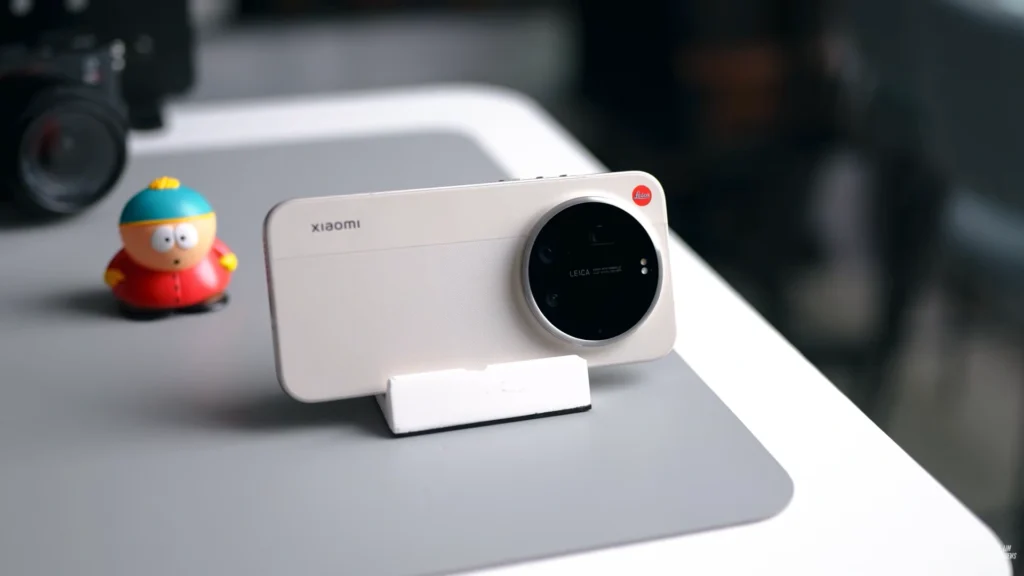
First Impressions: More Emotional Than I Expected
The moment I unboxed the Xiaomi 17 Ultra Leica Edition, it felt different from a regular flagship phone experience. Not in a flashy way but in a thoughtful, almost emotional way.
Inside the box, I found things you don’t normally expect with a phone:
a lens cleaning cloth, wrist strap, lens cap, and even a camera-style grip accessory. This immediately set the tone. Xiaomi clearly wants you to treat this device like a camera first, phone second.
When I powered it on and saw the Leica logo appear before HyperOS, it reinforced that idea. This isn’t just co-branding, it’s part of the identity of the phone.
And I appreciated that Xiaomi didn’t rush this device. It feels like something they carefully refined rather than pushed out quickly.
Design and Build Quality: Character Over Generic
In a market where most flagship phones look almost identical, the Xiaomi 17 Ultra Leica Edition stands out, and I mean that in a good way.
The two-tone design immediately catches your eye. I tried both impressions mentally, but personally, I leaned toward the lighter “cream white” version. It looks clean, minimal, and surprisingly premium. The black version has a more classic camera feel, but some may find the leather texture a bit artificial.
What really impressed me was the attention to small details:
- Textured ridges on the frame that actually improve grip
- Circular volume buttons instead of standard flat ones
- Subtle “Leica Camera Germany” branding on the side
- A solid, confident in-hand feel
This phone doesn’t scream for attention, but it also doesn’t fade into the background like so many other flagships.
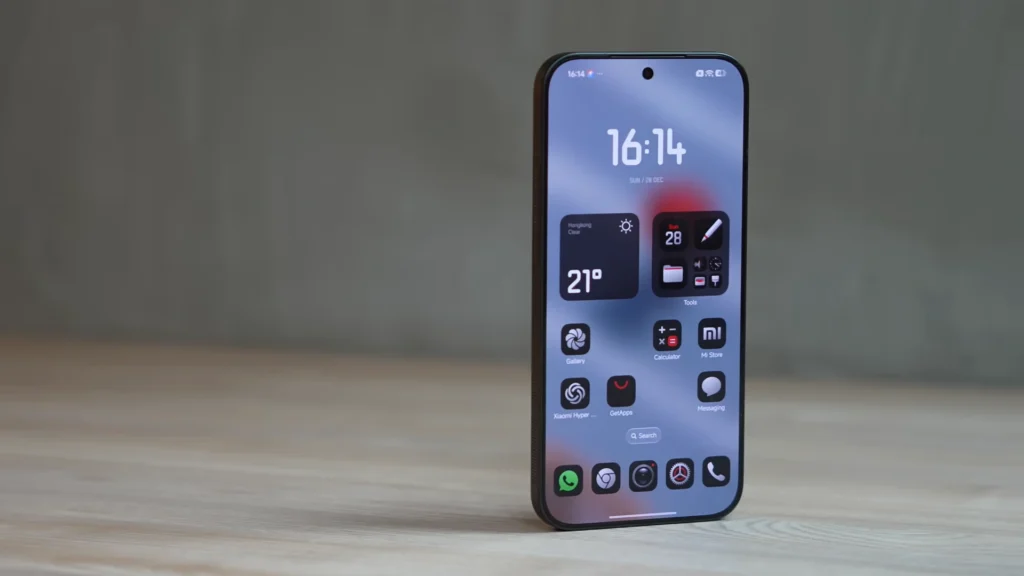
One thing worth mentioning: the display is now completely flat. Personally, I liked Xiaomi’s older quad-curved approach, but I understand why they made the switch. Flat screens are clearly what most users want now.
The Camera Ring: Fun, Emotional, Slightly Flawed
Let’s talk about the most talked-about feature the physical camera ring.
Yes, it rotates.
Yes, it controls Zoom.
And yes, it feels very satisfying to touch.
But is it perfect? Not really.
In real-world use, I often found my fingers accidentally blocking the lens while trying to rotate the ring. In some cases, I ended up using it more for exposure adjustment than zoom. Once a case is on, the ring can also feel a bit looser, which sometimes causes accidental exposure changes.
Still, I won’t lie, it’s fun.
It feels emotional.
Almost like a toy for adults who love cameras.
Attach the grip, add the lens cap, and suddenly you’re holding something that looks ridiculously close to a real Leica camera. It’s not flawless, but it adds personality, and that matters.
Leica Photography Modes: This Is Where Everything Changed
This is the section where my opinion truly shifted.
At first, I thought the Leica imaging system, especially the black-and-white modes, was too niche. Street photography, in my mind, was more about effort and timing than camera styles.
I was wrong.
Leica Smooth (Black & White)
The Leica Smooth mode, inspired by classic Leica cameras, is not easy, but that’s what makes it special.
Once I started using it seriously, something clicked.
The world felt quieter.
More focused.
Instead of worrying about colors, I started looking for light and shadow, contrast, and composition. When I placed color and black-and-white shots side by side, the black-and-white images often felt more powerful, even when the color versions already looked good.
This mode introduces natural film grain in highlights and shadows. It doesn’t feel like a filter slapped on later. It feels intentional.
I even surprised myself by using this mode for portraits, something I never expected to enjoy. And yet, the results felt calm, emotional, and almost timeless.
Leica M9 Style Mode
This mode deserves special attention.
It uses a fixed 5500K color temperature, which gives indoor shots a beautiful warm tone. As the lighting gets dimmer, the contrast between warm and cool colors becomes more pleasing.
This single change dramatically improved scenes where Xiaomi phones were previously weaker, like food photography. The warmth adds richness without looking artificial.
Unlike other modes, this one doesn’t rely heavily on vignetting. Colors feel cleaner, purer, and more refined. Some photos even carry a subtle, almost film-like character that’s hard to describe until you see it.
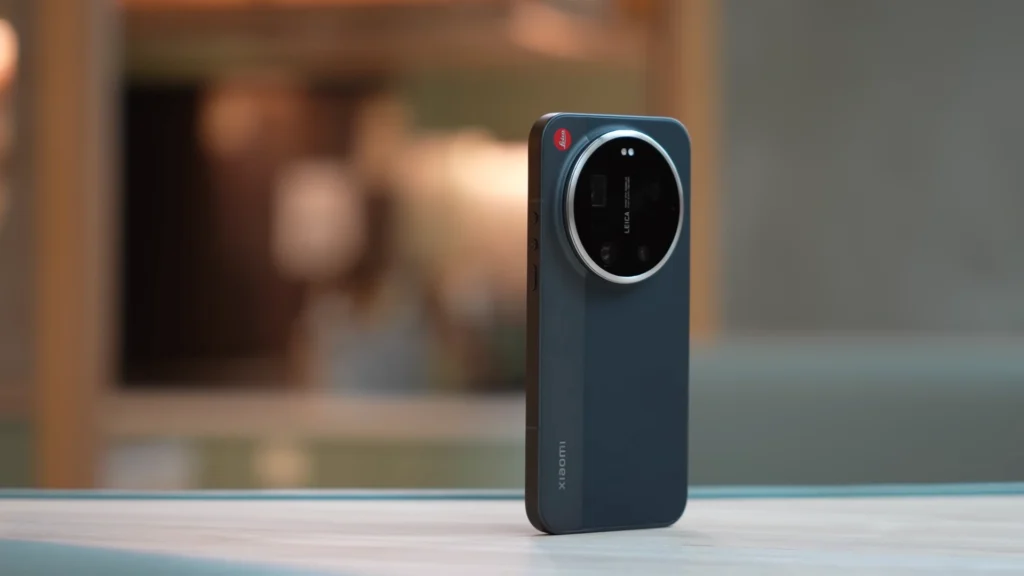
Image Quality and Processing: Natural, Not Overcooked
Photos taken in these Leica modes are processed in the cloud and delivered as optimized 50MP images. When I zoomed in, the resolving power genuinely surprised me.
Instead of aggressive AI sharpening, details remain smooth and natural. Fur, textures, and fine elements look almost optical rather than digital.
This is one of those rare times where I didn’t feel the phone was trying too hard.
That said, there are limitations:
- Slight shutter delay due to heavy Leica processing
- No continuous shooting in Leica modes
- No software cropping for 28mm or 35mm yet
These aren’t deal-breakers, but they do require a slower, more deliberate shooting style.
Zoom and Telephoto Performance: A Meaningful Upgrade
The 200MP periscope zoom lens is one of the biggest improvements compared to older Ultra models.
Instead of multiple zoom lenses, Xiaomi now uses a single shifting lens system, offering optical focal lengths roughly between 75mm and 100mm. In practice, this means smooth, continuous optical zoom across that range.
In real-world use:
- Up to 10x zoom looks very good
- 15x is still usable
- 30x exists, but I wouldn’t rely on it
What I loved most was the natural background compression and bokeh. This is something smaller-sensor phones simply can’t replicate.
However, there are compromises:
- Low-light ultrawide shots can show motion blur
- Telephoto aperture shrinks at longer focal lengths
- Some stabilization artifacts appear in certain situations
Still, compared to previous generations, the upgrade is very noticeable and practical.
Video Experience: Strong, With Odd Limitations
Video performance is generally solid:
- 4K recording up to 60fps
- Log video support
- Improved dynamic range
Portrait video has also seen a major upgrade. You can now use a live-action portrait while keeping bokeh active, something very few Android phones offer.
However, a few odd limitations stand out:
- No 4K 24fps option
- Cannot switch lenses while recording log video
- 4K 100fps only works at the native focal length
- No 50MP RAW output from the 200MP telephoto
These feel more like software decisions than hardware limitations, which makes them slightly frustrating.
Battery Life and Daily Use
Battery life has been okay, not outstanding.
Despite heavy camera usage, photos, videos, and testing, the phone held up reasonably well. Charging is fast, and the overall experience feels reliable rather than exceptional.
The phone itself is also thinner than previous Ultra models, with a less aggressive camera bump, making it more comfortable to use daily.
Strengths and Weaknesses
What I Loved
The Leica photography modes
Natural image processing
Unique design with real character
Improved zoom performance
Refined hardware and software balance
What Held It Back
Shutter delay in Leica modes
Camera ring usability issues
Some missing video features
Ultrawide low-light limitations
Who This Phone Is Really For
The Xiaomi 17 Ultra Leica Edition is not for everyone.
This phone is for:
- People who love photography as a process, not just results
- Users who enjoy slowing down and composing shots
- Those who appreciate character over perfection
- Anyone who wants their phone to inspire creativity
If you just want fast snapshots with zero effort, the standard Ultra might be enough. But if you want something that changes how you see scenes, this Leica Edition is special.
Final Thoughts: This Is What an Ultra Should Feel Like
After living with the Xiaomi 17 Ultra Leica Edition, I can honestly say this is what an Ultra phone should be.
It’s not perfect.
It makes compromises.
But it feels thoughtful, refined, and emotionally engaging.
Xiaomi didn’t just chase specs this time. They focused on experience.
If future generations bring a stronger ultrawide lens or variable aperture back, the gap between the Leica Edition and regular flagships could become massive.
For now, this phone already stands out not because it tries harder, but because it understands what photography is really about.
And honestly, I’m already excited thinking about what comes next.